
BHUBANESWAR, 2.9.2026 [ADN]:
“When women move forward, cities move forward.” With this powerful message, Additional Chief Secretary, Housing & Urban Development Department, Smt. Usha Padhee, today called for placing women’s safety, accessibility and participation at the heart of urban mobility planning in Odisha.
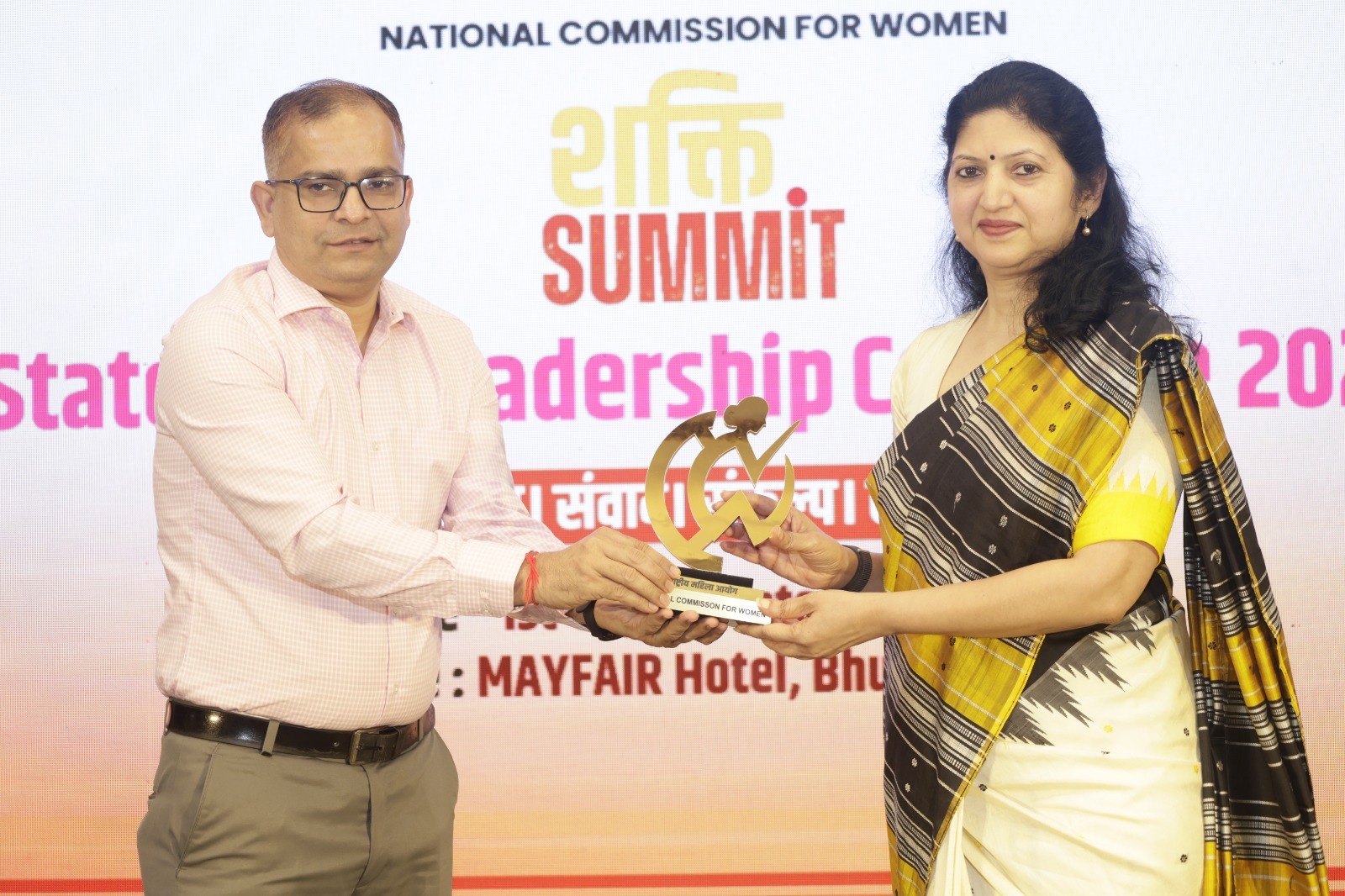
Addressing the Shakti Summit 2026: State WCD Leadership Conclave at Mayfair, Bhubaneswar, Smt. Padhee spoke on the theme “Initiatives by Odisha towards Gender Mainstreaming in Urban Mobility” and highlighted the need for a comprehensive, women-centric approach to planning and delivering urban transport services.
Smt. Padhee emphasised that mobility is much more than movement from one place to another. For women, access to safe and reliable transport directly influences their ability to pursue education, employment, entrepreneurship, healthcare and social opportunities. “A city cannot truly be inclusive if half of its population does not feel safe and confident while moving through it,” she observed.
She stressed that gender mainstreaming in urban mobility must begin at the planning stage and continue through implementation and service delivery. Safe and accessible public transport, pedestrian-friendly infrastructure, adequate lighting, safe public spaces, convenient last-mile connectivity and responsive transport services, she said, are essential components of a women-friendly city.
In a particularly inspiring moment during the session, Smt. Padhee introduced her female driver to the audience, describing her as a living example of women breaking conventional stereotypes and entering professions traditionally perceived as male-dominated.
“Gender mainstreaming cannot remain confined to policies and documents. It must be visible in our everyday lives and in the people who deliver our public services,” Smt. Padhee said, pointing to the participation of women as drivers, transport personnel, planners, technology professionals and service providers as an important step towards transforming the mobility ecosystem.
She further underlined that women should not only be seen as beneficiaries of urban mobility programmes but also as active participants and decision-makers in the transport sector. Greater representation of women across the mobility workforce, she noted, can contribute to more responsive services and help create a stronger sense of safety and confidence among women passengers.
Smt. Padhee also highlighted the importance of listening to women’s experiences while designing urban infrastructure. “The best way to design a city for women is to listen to women,” she said, emphasising the need for greater consultation, evidence-based planning and continuous feedback from women users of public transport and public spaces.
She said Odisha’s approach to gender-responsive urban mobility should be part of a larger vision of inclusive and people-centric urban development, where infrastructure, technology and governance come together to make cities safer, more accessible and more liveable.
Smt. Padhee’s address reinforced a clear message: gender-responsive mobility is not simply about enabling women to travel safely—it is about enabling women to participate fully in the economic, social and civic life of the city.
About the Author